The Book
The Age of Culture, D. Paul Schafer
The Age of Culture is the intellectual foundation from which The Age of Culture Project takes its name and direction.
Written by D. Paul Schafer, the book argues that humanity is standing at a historical threshold: we can continue organising the world primarily through economic thinking, or we can move toward a cultural age; one guided by meaning, balance, and human fulfilment.
Drawing on decades of cultural scholarship, policy work, and global dialogue, Schafer shows why many of today’s most urgent challenges - climate change, inequality, conflict, social fragmentation, and environmental collapse - cannot be resolved through economics alone. These problems arise not from a lack of growth or efficiency, but from a deeper imbalance: treating economics as “the whole,” and culture as merely one part among others.
Schafer proposes a different framing. Culture, understood in its fullest sense as the sum of human experience and ways of life, is the holistic context within which all other systems operate; including economics, technology, education, and governance. When culture is restored to this central role, new possibilities emerge for harmony, sustainability, creativity, and shared wellbeing.
The book does not reject economic progress. Rather, it situates economics within a broader cultural framework; one that values ethics alongside efficiency, meaning alongside metrics, and long-term human continuity alongside short-term gain.
Over the past four decades, The Age of Culture has influenced cultural policy thinking at local, national, and international levels. Its vision has resonated with scholars, educators, and institutions engaged in rethinking development, sustainability, and the future of civilisation.
TAOC exists as a living response to this work; not as a reinterpretation, but as a practical effort to give form to its ideas in education, learning systems, cultural governance, and public life
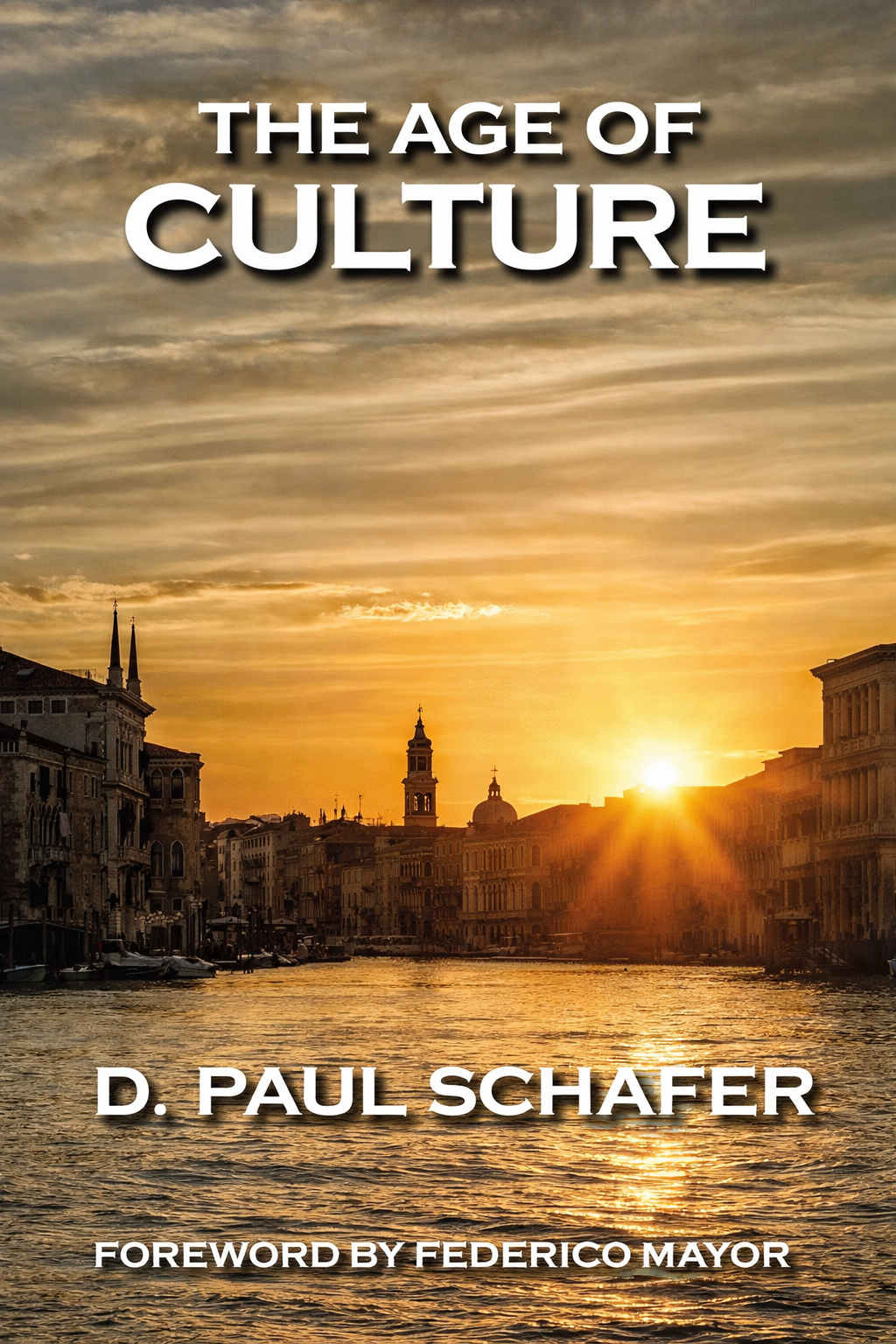
Click on the book to view on Amazon